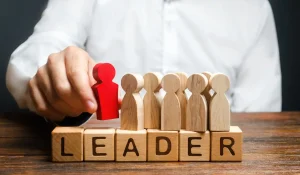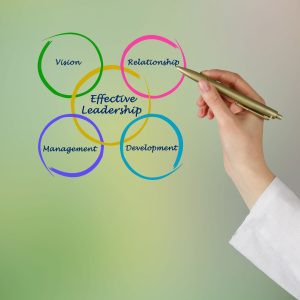

Leadership is often associated with CEOs, managers, coaches, or political figures, but true leadership begins long before someone gains authority over others. In reality, personal leadership starts with how individuals guide themselves through daily challenges, decisions, relationships, and responsibilities. It influences how people manage stress, communicate with others, stay disciplined, and pursue meaningful goals. Today, as modern life becomes more demanding and fast-paced, developing strong personal leadership skills has become essential for both personal and professional success.
Many people assume leadership only matters in workplaces or business environments, but the truth is that personal leadership affects nearly every aspect of life. It shapes morning routines, emotional reactions, financial habits, career choices, health decisions, and even relationships with family and friends. People who practice personal leadership consistently often demonstrate greater self-awareness, resilience, confidence, and emotional intelligence.
In recent years, psychologists and leadership experts have emphasized the growing importance of self-leadership in mental wellness and long-term success. Research in behavioral psychology suggests that individuals who actively manage their thoughts, behaviors, and goals tend to experience better productivity, stronger emotional stability, and improved life satisfaction. This is especially important in today’s world, where distractions, stress, social pressure, and digital overload can easily affect focus and decision-making.
The concept of personal leadership is not about perfection or control over every situation. Instead, it involves taking responsibility for personal growth, making intentional choices, and acting according to values even during difficult circumstances. It means becoming proactive instead of reactive and learning how to guide yourself through uncertainty with clarity and purpose.
This article explores when personal leadership should be applied in daily life, why it matters in modern society, and how individuals can strengthen leadership habits that improve relationships, productivity, emotional wellness, and long-term personal development.
Understanding the Meaning of Personal Leadership
Before exploring where personal leadership applies in daily life, it is important to understand what the concept truly means. Personal leadership refers to the ability to guide your own thoughts, emotions, decisions, and actions in a responsible and intentional way. It focuses on self-awareness, discipline, emotional intelligence, and accountability.
Unlike traditional leadership, which often involves managing teams or organizations, personal leadership begins internally. It is about leading yourself before attempting to lead others. This includes setting goals, managing time effectively, controlling emotional reactions, maintaining integrity, and making decisions aligned with long-term values.
Strong personal leadership also involves adaptability. Life constantly changes, and people who practice self-leadership learn how to navigate uncertainty without losing direction or confidence.
The Connection Between Self-Awareness and Leadership
Self-awareness is one of the foundations of personal leadership. People who understand their strengths, weaknesses, emotions, habits, and motivations are better equipped to make thoughtful decisions.
For example, someone who recognizes their tendency to procrastinate can create systems to improve focus and productivity. Similarly, individuals who understand their emotional triggers can communicate more calmly during stressful situations.
Leadership experts often explain that self-awareness creates emotional maturity, which directly improves relationships, confidence, and problem-solving abilities.
Why Modern Society Requires Strong Personal Leadership
Modern lifestyles involve constant distractions, information overload, social comparison, and high expectations. Without personal leadership, many individuals feel overwhelmed, reactive, or emotionally exhausted.
Social media, workplace pressure, financial stress, and fast-paced routines can easily affect emotional balance and decision-making. Practicing personal leadership helps individuals remain focused on priorities while avoiding unnecessary emotional chaos.
Applying Personal Leadership in Daily Decision-Making
One of the most important times to apply personal leadership is during everyday decision-making. Small daily choices eventually shape long-term outcomes in health, finances, relationships, and career growth.
People exercise personal leadership when they prioritize responsibilities instead of distractions, choose healthy habits over unhealthy impulses, or remain calm during stressful situations.
For example, waking up early to complete important tasks instead of endlessly scrolling through social media demonstrates self-discipline and intentional action. Similarly, managing finances responsibly instead of making impulsive purchases reflects personal accountability.
Making Decisions Based on Values
Personal leadership becomes especially important when individuals face difficult choices. Strong self-leadership helps people make decisions based on values and long-term goals rather than temporary emotions or external pressure.
Someone practicing personal leadership may decline toxic relationships, avoid unethical behavior at work, or choose personal growth despite fear and uncertainty.
These moments may seem small individually, but they gradually shape character, confidence, and future success.
Avoiding Reactive Behavior
Without personal leadership, people often react emotionally instead of responding thoughtfully. Stress, frustration, anger, or fear can lead to poor decisions that damage relationships and opportunities.
Applying self-leadership means pausing before reacting impulsively. It involves emotional regulation, patience, and thoughtful communication even during difficult moments.
Personal Leadership in Career Growth and Workplace Success
Professional environments constantly require leadership skills, even for individuals without management positions. Employees who demonstrate personal leadership often earn greater trust, responsibility, and career opportunities.
Workplace leadership begins with reliability, accountability, communication, and self-motivation. Employers consistently value individuals who manage responsibilities independently and maintain professionalism during pressure.
Taking Initiative Without Waiting for Instructions
One major sign of personal leadership in the workplace is initiative. Instead of waiting for constant direction, self-led individuals actively solve problems, improve systems, and support team success.
For example, an employee who notices inefficiency and suggests improvements demonstrates leadership regardless of job title. Similarly, workers who continue learning new skills show commitment to growth and adaptability.
Leadership experts explain that companies increasingly prioritize emotional intelligence and self-management skills alongside technical qualifications.
Managing Workplace Stress Effectively
Modern workplaces often involve deadlines, pressure, competition, and multitasking. Personal leadership helps individuals manage stress without becoming overwhelmed emotionally.
Practicing healthy boundaries, time management, organization, and emotional control improves workplace performance significantly. People with strong personal leadership skills are often better equipped to handle challenges calmly and professionally.
Applying Personal Leadership in Relationships
Relationships require emotional maturity, communication, empathy, and accountability. Personal leadership plays a major role in maintaining healthy connections with family members, friends, romantic partners, and coworkers.
People who practice personal leadership often communicate more honestly, listen more effectively, and take responsibility for their actions instead of blaming others constantly.
Improving Communication and Emotional Intelligence
Emotional intelligence is closely connected to personal leadership. Understanding emotions and communicating respectfully helps reduce unnecessary conflict in relationships.
For example, instead of reacting defensively during disagreements, emotionally intelligent individuals pause, listen carefully, and respond calmly. This approach strengthens trust and mutual understanding.
Healthy communication also involves honesty, empathy, and consistency. Leadership within relationships means creating emotional safety rather than emotional chaos.
Setting Healthy Boundaries
Personal leadership also means protecting emotional wellness through healthy boundaries. Many people struggle with saying no because they fear disappointing others.
However, self-leadership involves recognizing personal limits and prioritizing emotional balance. Healthy boundaries improve mental health, reduce burnout, and strengthen self-respect.
Personal Leadership During Difficult Times
Challenges often reveal the true strength of personal leadership. Stressful situations, failures, uncertainty, and emotional setbacks test how individuals respond under pressure.
People with strong personal leadership understand that difficult moments are part of growth rather than permanent defeat. Instead of becoming helpless, they focus on solutions, adaptability, and emotional resilience.
Responding to Failure Constructively
Failure can either become a learning experience or a source of self-doubt depending on mindset. Personal leadership helps individuals view setbacks as opportunities for improvement instead of evidence of worthlessness.
Successful entrepreneurs, athletes, and leaders often describe failure as an essential part of personal development. Resilience grows when people continue moving forward despite disappointment.
Maintaining Discipline During Uncertainty
Uncertainty often creates fear and emotional instability. During challenging periods, personal leadership provides structure, focus, and emotional control.
Simple routines such as maintaining healthy habits, managing time wisely, and staying connected to supportive people help individuals remain grounded during difficult circumstances.
Personal Leadership and Mental Wellness
Mental health experts increasingly recognize the connection between personal leadership and emotional wellness. Self-leadership supports healthier coping strategies, emotional regulation, and stress management.
People who actively manage their thoughts, habits, and priorities often experience greater emotional balance and confidence.
Reducing Stress Through Intentional Habits
Intentional habits play a major role in emotional wellness. Sleep routines, exercise, mindfulness, journaling, and time management all reflect personal leadership in action.
For example, someone who prioritizes rest and self-care despite a busy schedule demonstrates self-respect and emotional awareness.
Mental wellness improves significantly when people make intentional choices that support long-term health instead of short-term comfort.
Building Confidence Through Accountability
Confidence grows when individuals consistently follow through on commitments and responsibilities. Personal leadership creates self-trust because people begin seeing themselves as capable and reliable.
Each responsible decision strengthens confidence gradually. Over time, self-discipline and accountability improve both emotional stability and personal growth.
The Role of Personal Leadership in Goal Achievement
Goals rarely become reality without consistent self-leadership. Motivation may create initial excitement, but discipline and accountability sustain long-term progress.
People who apply personal leadership break large goals into smaller steps, maintain focus despite distractions, and continue working even when motivation decreases.
Creating Long-Term Vision
Strong personal leadership involves thinking beyond immediate gratification. Individuals learn how to prioritize long-term growth over temporary comfort.
For example, students who study consistently instead of procrastinating are practicing self-leadership. Similarly, entrepreneurs who continue improving skills despite slow progress demonstrate long-term vision and perseverance.
Staying Consistent Despite Obstacles
Consistency is one of the strongest indicators of personal leadership. Many people begin projects enthusiastically but struggle maintaining discipline when challenges arise.
Self-leadership helps individuals remain committed during periods of slow progress or frustration. This persistence often separates successful individuals from those who quit prematurely.
Personal Leadership in Financial Responsibility
Financial habits reflect personal leadership more than many people realize. Budgeting, saving, avoiding impulsive spending, and planning for future stability all require discipline and intentional thinking.
People practicing personal leadership understand the importance of delayed gratification and financial accountability.
Avoiding Impulsive Financial Decisions
Modern advertising and social media encourage constant spending and comparison. Without personal leadership, individuals may develop unhealthy financial habits that create long-term stress.
Intentional budgeting and responsible spending demonstrate emotional discipline and future-oriented thinking.
Building Long-Term Stability
Financial leadership is not necessarily about earning large amounts of money. Instead, it involves managing resources wisely and making thoughtful decisions aligned with long-term security and goals.
Personal Leadership and Lifelong Learning
Continuous learning is another important part of personal leadership. The modern world changes rapidly, and individuals who continue developing skills remain more adaptable and confident.
Learning does not stop after formal education ends. Reading, professional development, self-reflection, and curiosity all contribute to personal growth.
Embracing Growth Mindset
A growth mindset supports personal leadership by encouraging adaptability and resilience. People with this mindset believe abilities can improve through effort, learning, and persistence.
Instead of fearing mistakes, they view challenges as opportunities to grow stronger and more capable.
Staying Open to Change
Strong personal leadership also involves flexibility. Life circumstances, careers, technology, and relationships constantly evolve. Adaptability helps individuals respond to change without losing direction or confidence.
Conclusion
Personal leadership should be applied in daily life whenever individuals make decisions, manage emotions, communicate with others, pursue goals, or navigate challenges. It is not limited to executives or public leaders. Instead, it is a lifelong practice of guiding yourself with responsibility, awareness, discipline, and purpose.
From workplace success and emotional wellness to relationships and financial stability, personal leadership influences nearly every area of life. Individuals who practice self-leadership consistently often develop greater confidence, resilience, emotional intelligence, and long-term success.
Modern society creates constant distractions, stress, and pressure, making personal leadership more valuable than ever before. Applying intentional habits, healthy boundaries, emotional control, and accountability helps individuals remain focused on meaningful goals instead of reacting impulsively to temporary emotions or external expectations.
Perhaps most importantly, personal leadership empowers individuals to take ownership of their lives. Rather than waiting for circumstances to improve automatically, self-led people actively create healthier habits, stronger relationships, and more meaningful futures.
As personal development and emotional wellness continue gaining attention globally, personal leadership will remain one of the most essential skills for navigating modern life successfully and purposefully.
FAQs
Why is personal leadership important in everyday life?
Personal leadership is important because it helps individuals make responsible decisions, manage emotions, stay disciplined, and achieve long-term goals. It improves relationships, workplace performance, emotional wellness, and self-confidence. People who practice personal leadership consistently are often better equipped to handle stress, challenges, and personal growth in modern daily life.
How can someone improve personal leadership skills?
Individuals can improve personal leadership skills through self-awareness, emotional intelligence, time management, accountability, and continuous learning. Developing healthy habits, setting clear goals, practicing discipline, and reflecting on personal behavior also strengthen self-leadership. Consistency and intentional decision-making are essential parts of long-term leadership development and emotional growth.
Can personal leadership improve mental health?
Yes, personal leadership can support mental health by encouraging healthy routines, emotional regulation, stress management, and self-awareness. People who practice intentional habits and accountability often experience greater emotional balance and confidence. Personal leadership also helps individuals develop resilience, maintain focus during challenges, and build healthier coping strategies over time.